Gubbi Civil Engineers Limited®

Structural Retrofitting Services

Structural Retrofitting Services | Strengthening Structures with Advanced Techniques

Structural Retrofitting Solutions by Gubbi Civil Engineers

Retrofitting Of Structures is the most effective way to strengthen existing buildings, improve load capacity, and extend structural life without complete demolition. We deliver advanced retrofitting solutions tailored for commercial and industrial structures facing cracks, deterioration, or seismic risks.

Whether your building is aging, damaged, or requires compliance upgrades, our expert team ensures safe, cost-effective, and durable structural strengthening using modern engineering techniques.

It also enhances overall building performance, increases property value, and ensures compliance with the latest safety standards, making your structure future-ready and more reliable.

What is Structural Retrofitting?

Structural retrofitting is the process of modifying and strengthening an existing structure to improve its performance under current loads, environmental conditions, and safety standards.

It is commonly used for:

  • Old buildings with reduced strength
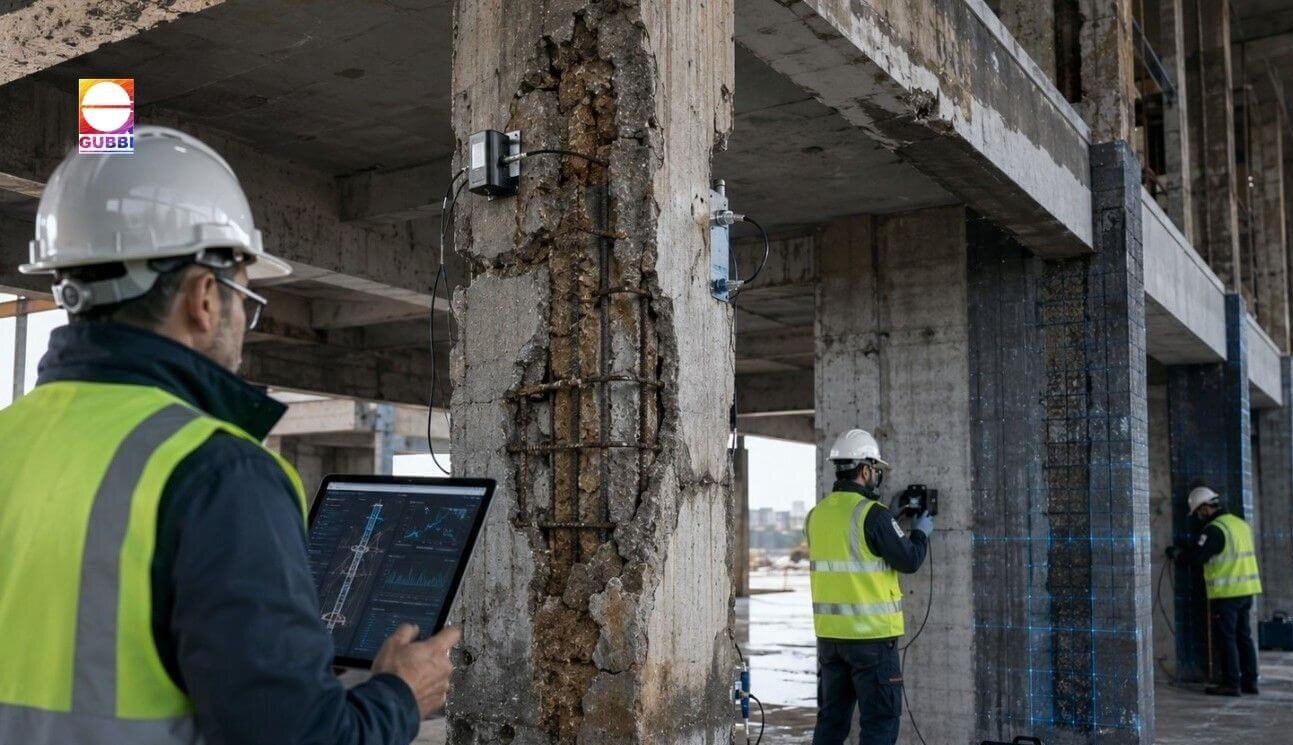
  • Structures affected by cracks or corrosion
  • Earthquake-resistant upgrades
  • Load enhancement for additional floors
  • Repair of structural defects

Our Structural Retrofitting Services

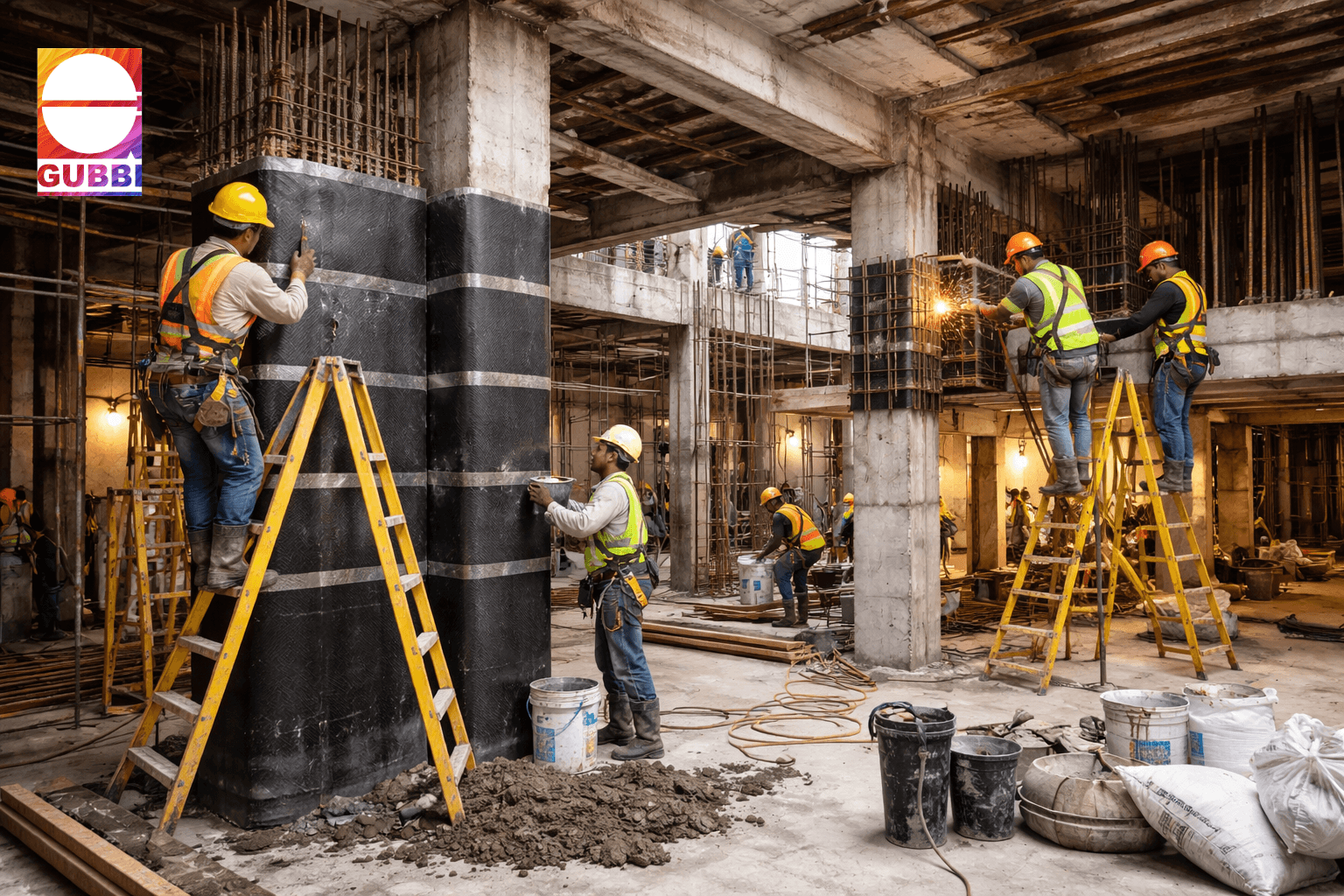
Carbon Fiber Wrapping (CFRP Strengthening)

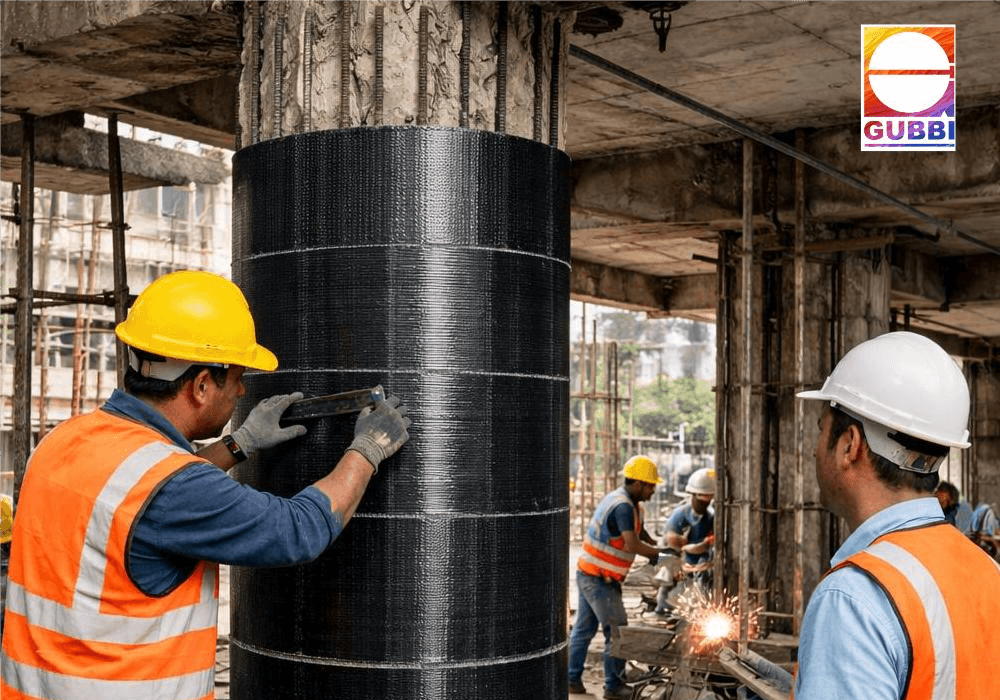
Carbon fiber wrapping is a high-performance structural retrofitting technique that uses lightweight yet extremely strong materials to enhance the load-bearing capacity of beams and columns. This method is ideal for seismic retrofitting, improving structural stability without adding significant weight, making it a preferred solution for modern building strengthening projects.

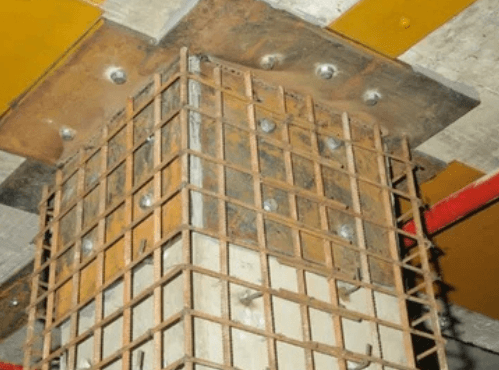
Column Jacketing (RC/Steel Jacketing)

Column jacketing is a reliable retrofitting method used to increase the axial load capacity, stiffness, and durability of existing columns. By applying reinforced concrete or steel layers, this technique strengthens damaged RCC structures and ensures improved performance under heavy loads and environmental stress.

Beam Strengthening

Beam strengthening focuses on enhancing the flexural and shear capacity of structural beams to prevent failure under increased loads. Using advanced retrofitting techniques, this solution improves structural safety and ensures long-term performance in residential, commercial, and industrial buildings.

Slab Strengthening

Slab strengthening is essential for improving the load-bearing capacity of floors while reducing deflection and cracks. This retrofitting solution ensures better distribution of loads and enhances the durability of slabs, making buildings safer and more resilient over time.

Foundation Strengthening

Foundation strengthening involves advanced techniques such as underpinning and soil improvement to stabilize weak or damaged foundations. This process enhances the overall structural stability of buildings, preventing settlement issues and ensuring long-term safety.

Crack Repair and Structural Bonding

Crack repair and structural bonding use epoxy injection and advanced materials to restore the original strength of concrete. This method seals structural cracks, prevents further damage, and improves the integrity and durability of the building.

Benefits of Structural Retrofitting

When Does a Building Need Retrofitting?

Ignoring these signs can lead to serious structural failure risks.

Frequently Asked Questions (FAQs)

What is structural retrofitting in construction?

Structural retrofitting is the process of strengthening existing buildings and RCC structures to improve load capacity, seismic resistance, durability, and structural safety. Retrofitting methods include carbon fiber wrapping, steel jacketing, concrete jacketing, micro concrete, grouting, and beam-column strengthening.

A building may require retrofitting when it shows structural cracks, corrosion in reinforcement steel, reduced load capacity, settlement issues, earthquake damage, water leakage damage, or aging concrete deterioration. Retrofitting is also recommended before adding extra floors or heavy machinery loads.

Structural retrofitting improves structural strength, extends building life, increases seismic resistance, enhances safety, reduces repair costs, and helps avoid demolition. It is a cost-effective solution for restoring old or damaged RCC structures.

Structural retrofitting can be carried out for residential buildings, commercial buildings, industrial plants, bridges, warehouses, factories, hospitals, schools, parking structures, and old RCC framed structures.

Seismic retrofitting strengthens buildings to resist earthquake forces and lateral movements. It improves ductility, stability, and structural performance during seismic activity using advanced strengthening systems.

Professionally designed structural retrofitting systems can significantly extend the service life of a structure for several decades when quality materials and proper engineering practices are used.

Structural Retrofitting is Cost-Effective than Rebuilding . It minimizes downtime, reduces material waste, and restores structural performance with lower overall project costs.

Structural repair restores damaged portions of a structure, while structural retrofitting upgrades the overall structural strength and performance beyond the original condition to meet current safety and load standards.

The ideal retrofitting method depends on structural condition and load requirements. Common solutions include carbon fiber wrapping, RCC jacketing, steel jacketing, and epoxy-based strengthening systems for RCC columns.

Structural engineers perform site inspections, rebound hammer tests, UPV tests, core testing, crack analysis, load assessment, and reinforcement evaluation before designing a retrofitting solution.

Yes. Structural retrofitting can improve the load-bearing capacity of slabs, beams, columns, and foundations to support additional floors, machinery loads, or modern building requirements.

Professional retrofitting contractors ensure accurate structural analysis, proper strengthening design, quality materials, safety compliance, and long-term structural performance for repair and rehabilitation projects.

Get Expert Structural Retrofitting Solutions Today

Ensure the safety and longevity of your structure with professional retrofitting services from Gubbi Civil Engineers. Our team delivers reliable, engineered solutions that meet modern safety standards and performance expectations.

Contact us today for a detailed structural assessment and customized retrofitting plan.


Retrofitting in Construction showing column strengthening using carbon fiber wrapping and jacketing techniques in India
Structural Retrofitting

Retrofitting in Construction

Retrofitting in Construction: Smart Engineering for Stronger Structures Modern infrastructure is evolving rapidly, but thousands of existing buildings still operate below current safety and performance ...
Read More →
Retrofitting of Structures Work for Column Strengthening at Construction Site
Structural Retrofitting

Retrofitting of Structures

Retrofitting of Structures: Why It Is Essential for Old Buildings In rapidly growing cities, many residential, commercial, and industrial buildings were constructed decades ago using ...
Read More →
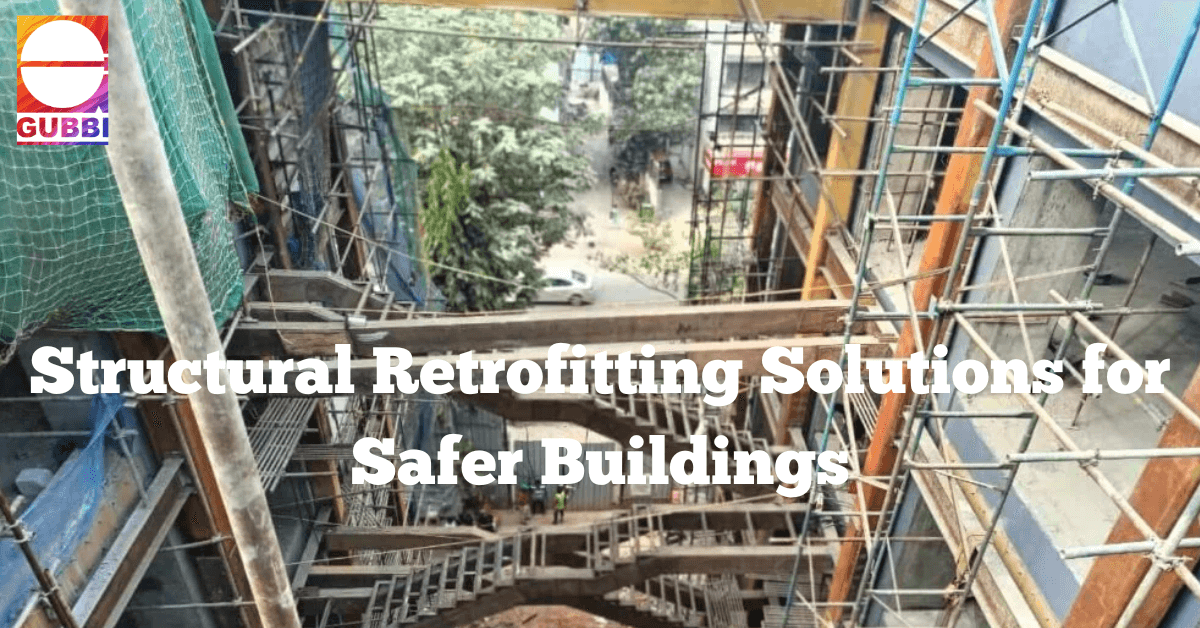
Structural Retrofitting Solution improving building safety and strength
Structural Retrofitting

Structural Retrofitting is Cost-Effective than Rebuilding

When industrial facilities age, owners and operators face a tough question: should they retrofit their existing structures or demolish and rebuild from scratch? While rebuilding may seem like ...
Read More →