
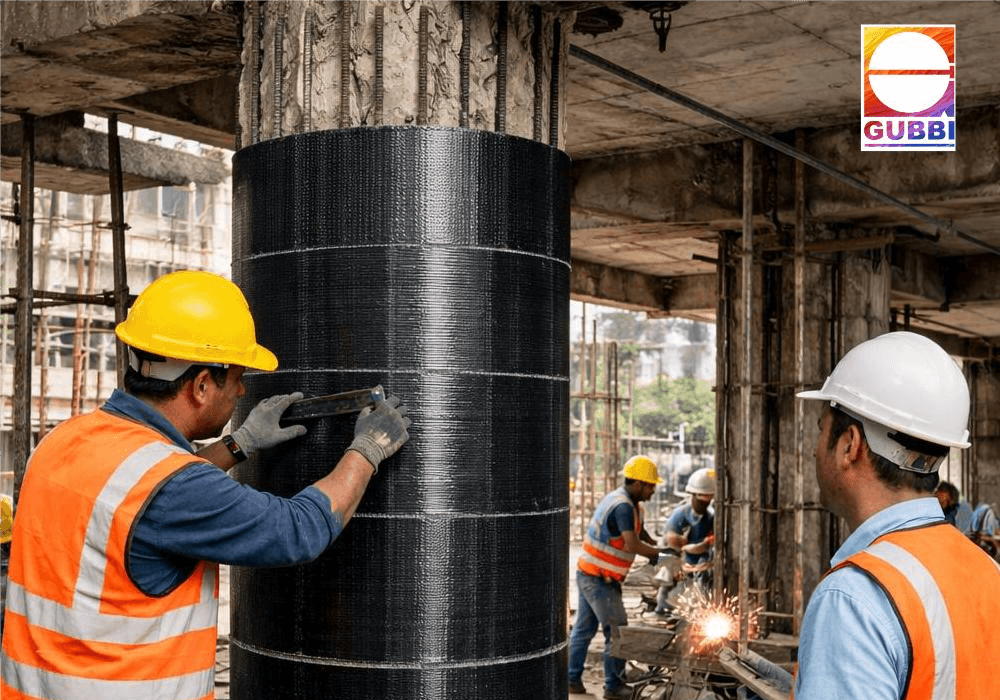
Retrofitting of Structures: Why It Is Essential for Old Buildings
In rapidly growing cities, many residential, commercial, and industrial buildings were constructed decades ago using older engineering standards. These structures often lack modern seismic design, durability measures, and load-bearing capacity required by today’s safety codes.
Retrofitting of Structures plays a crucial role in upgrading existing buildings by improving their structural stability, safety, and performance without the need for complete demolition.
Retrofitting solutions help engineers strengthen aging buildings, repair structural damage, improve earthquake resistance, and extend the service life of structures, making them safer and more sustainable for long-term use.
What Is Structural Retrofitting?
Structural retrofitting is the engineering process of modifying and strengthening existing buildings to improve their structural performance and load-bearing capacity. It is commonly applied to buildings affected by earthquakes, corrosion of reinforcement, foundation settlement, structural cracks, or increased loading requirements.
Modern retrofitting techniques focus on improving structural safety, resilience, and durability while maintaining the original structure.
Some widely used retrofitting methods include:
- Seismic retrofitting for earthquake resistance
- RCC Jacketing for columns and beams
- Steel bracing systems to enhance lateral stability
- Carbon Fiber Reinforced Polymer (CFRP) Wrapping for lightweight structural strengthening
- Foundation strengthening and underpinning
- Concrete overlay and slab strengthening
These techniques help restore structural integrity and improve the overall performance of aging buildings.
Why Retrofitting Of Structures is Essential?
1. Improves Earthquake Resistance
Many old buildings were constructed before seismic design codes were introduced. Retrofitting significantly improves a structure’s ability to withstand earthquake forces and prevent catastrophic collapse.
2. Enhances Structural Strength
Over time, structural elements may weaken due to material deterioration, corrosion of reinforcement, or increased load demands. Retrofitting improves the load-carrying capacity of beams, columns, slabs, and foundations.
3. Ensures Compliance with Modern Building Codes
Building regulations and safety standards continue to evolve. Retrofitting allows existing buildings to comply with updated construction codes and structural safety requirements.
4. Cost-Effective Alternative to Reconstruction
Demolishing and rebuilding a structure can be expensive and time-consuming. Structural retrofitting provides a cost-effective solution by strengthening the existing building while minimizing disruption and construction waste.
5. Extends the Life of Existing Structures
Proper retrofitting significantly increases the lifespan of buildings by addressing structural deficiencies and preventing further deterioration.
6. Increases Property Value
Buildings that undergo structural strengthening often gain higher market value, improved safety ratings, and better investor confidence.
Common Retrofitting Of Structures Techniques Used in Construction
Several engineering techniques are used depending on the building condition and structural requirements:
Seismic Retrofitting
Strengthens buildings to resist earthquake forces and reduce structural damage during seismic events.
RCC Column Jacketing
A widely used retrofitting technique where additional reinforced concrete is added around existing columns to improve strength and load capacity.
Steel Bracing Systems
Steel braces provide additional lateral support, improving stability against wind and seismic loads.
CFRP Wrapping
High-strength carbon fiber reinforced polymer sheets are wrapped around structural elements to increase strength without adding significant weight.
Foundation Underpinning
Used to strengthen or stabilize weak foundations and prevent settlement issues.
Shear Wall Installation
Additional shear walls improve the lateral stiffness of buildings and enhance earthquake resistance.
Slab Strengthening
Concrete overlays or fiber reinforcement are used to improve slab capacity and structural durability.
Benefits of Hiring Professional Structural Retrofitting Experts
Structural retrofitting requires detailed engineering analysis and specialized construction techniques. Professional structural engineering companies conduct:
- Structural audits and building condition assessments
- Load analysis and damage evaluation
- Retrofitting design and engineering solutions
- Implementation using advanced strengthening techniques
Proper engineering assessment ensures long-term structural stability, safety compliance, and risk mitigation.
Frequently Asked Questions (FAQs)
What is seismic retrofitting?
Seismic retrofitting is the process of strengthening buildings so they can withstand earthquake forces and reduce structural damage during seismic events.
How much does structural retrofitting cost?
The cost of retrofitting depends on building size, structural damage level, retrofitting technique used, and project complexity.
How long does retrofitting take?
Project duration varies depending on structural conditions, but most retrofitting projects can take a few weeks to several months.
Is retrofitting better than rebuilding?
In many situations, retrofitting is more cost-effective, faster, and environmentally sustainable compared to complete demolition and reconstruction.
When should a building undergo structural retrofitting?
Buildings should be evaluated for retrofitting if they show structural cracks, corrosion, foundation settlement, earthquake damage, or outdated structural design.